Physical Address!
Globlar OÜ Harjumaa Tallinn, Estonia!
Physical Address!
Globlar OÜ Harjumaa Tallinn, Estonia!

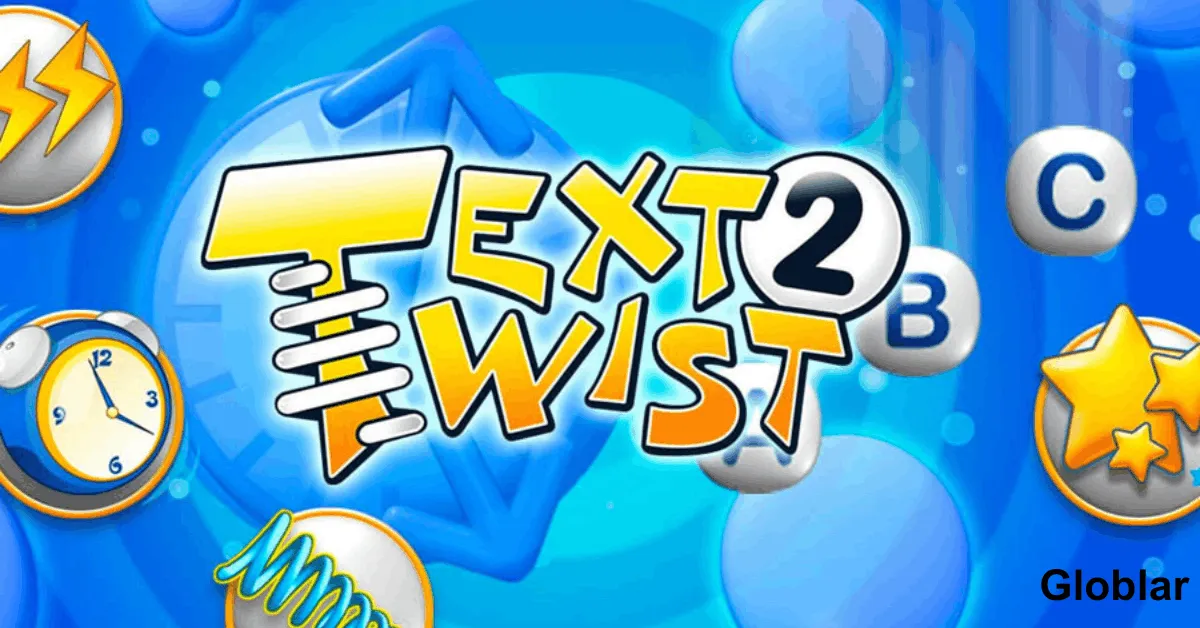
You’re staring at six letters. A R C T U O. The clock is bleeding seconds. You’ve already found CAR and TOUR and then… nothing. Your brain just stops. Sound familiar?
That moment the I know there’s a word in here panic is the exact moment that separates casual Text Twist 2 players from the ones who clear board after board without breaking a sweat. The good news? It’s not luck and it’s not a bigger vocabulary. It’s a system.
This guide breaks down that system: the scoring logic the game runs on the exact patterns your brain should be scanning for and the mistakes that are quietly costing you words every single round. By the end you won’t just play Text Twist 2 you’ll start solving it.
If you only have 60 seconds before your next round starts do this:
Now let’s go deeper because these five tips are just the entry point.
Most players never think about scoring mechanics > they just click letters and hope. That’s a mistake, because the scoring system is actually telling you exactly where to spend your time.
| Word Length | Relative Point Value | Strategic Priority |
| 3 letters | Lowest | Find fast don’t linger |
| 4 letters | Low-medium | Good for unlocking patterns |
| 5 letters | Medium-high | Worth actively hunting |
| 6–7 letters | Highest | Often the bingo word > required to advance |
The bingo word the one word that uses every single letter on your rack > is the real prize. It’s worth the most points and in most versions of the game you can’t move to the next round without finding it (or at least the longest required word for that level’s difficulty setting). That single fact should reshape how you play: short words build momentum but the long word is the actual mission.
If you’re newer to the game start here. These tactics aren’t flashy but they fix the most common reasons new players get stuck.
Once the basics feel automatic it’s time to stop hunting for words randomly and start recognizing shapes.
This is where casual play turns into mastery. These tactics take a little more practice but they’re what separates the players clearing boards in under a minute from everyone else.
Bookmark this table. These are the highest-frequency chunks in English vocabulary and recognizing them on sight is the fastest way to unlock multiple words per round.
| Pattern Type | Common Examples | Why It Matters |
| Prefixes | RE-, UN-, DE-, IN- DIS- | Instantly suggest a base word + extension |
| Suffixes | -ING, -ED, -ER, -LY, -ESTand -TION | Often the difference between a 4-letter and 6-letter word |
| Plurals | -S, -ES | Easiest free word extension in the game |
| Common digraphs | TH, CH, SH, ST, TR, BL and GR | Signal a likely consonant cluster in the answer |
| Vowel pairs | OU, EA, IE and OA | Common in mid-length words easy to overlook |
Text Twister 2 isn’t one fixed experience most versions let you choose how you play and your strategy should shift depending on the mode.
Timed Mode (the classic 2-minute round): Speed and pattern recognition matter most here. Prioritize the bingo word early, twist often and don’t waste time second-guessing short words you’re fairly confident about.
Untimed Mode: This is where you train. Since there’s no clock pressure use untimed rounds to deliberately practice the scanning habits above forward/backward reading and prefix-hunting double-letter spotting until they become automatic. What you build here carries directly into timed play.
Difficulty Settings (6-letter vs. 6-or-7-letter vs. 7-letter-only): If your version offers a difficulty toggle understand what it’s actually changing: it controls how long the required advance word needs to be. Stepping up to 7-letter-only mode is the single best way to deliberately level up your pattern recognition once 6-letter rounds start feeling easy.
Want to get noticeably better in under a week? Try this drill in untimed mode:
This forces your brain to fully process the letter set before jumping to the hardest target and it’s exactly how strong players approach a fresh board instinctively you’re just doing it deliberately until it becomes second nature.
What’s the fastest way to find more words in Text Twist 2? Scan for common prefixes and suffixes (RE-, UN-, -ING, -ER) first and add S to every word you find to check for plurals and twister the letters as soon as you stall for more than 10–15 seconds.
Why can’t I find the 6-letter or 7-letter word? The all-letter bingo word is intentionally the hardest one to spot. Try reading the letters in reverse order look for a doubled letter or rare letter as an anchor point and don’t be afraid to test combinations that sound unusual the dictionary is more generous than you’d expect.
Does the Twist button cost me points or time? In most versions twisting shuffles the letters without any score penalty. Some versions may use a small amount of time so use it purposefully rather than constantly but don’t avoid it out of fear it’s one of the most effective tools in the game.
Is Text Twist 2 good for building vocabulary? Yes. Because the word list is broader than a standard dictionary and rewards both short and long words regular play naturally exposes you to prefixes, suffixes and word families you might not actively use elsewhere.
What’s the difference between Text Twist and Text Twist 2? Text Twist 2 builds on the original with an expanded word list additional difficulty options including 7-letter challenges and in some versions extra modes beyond the classic timed format.
Text Twist 2 rewards pattern recognition more than raw vocabulary and now you know exactly which patterns to look for. Start with the fast five layer in the prefix-and-suffix scanning habit and use untimed mode as your training ground. The next time six random letters show up on your screen you won’t see a puzzle. You’ll see a system you already know how to solve.
Written By globlar.com | Author: Majid Ishfaq!